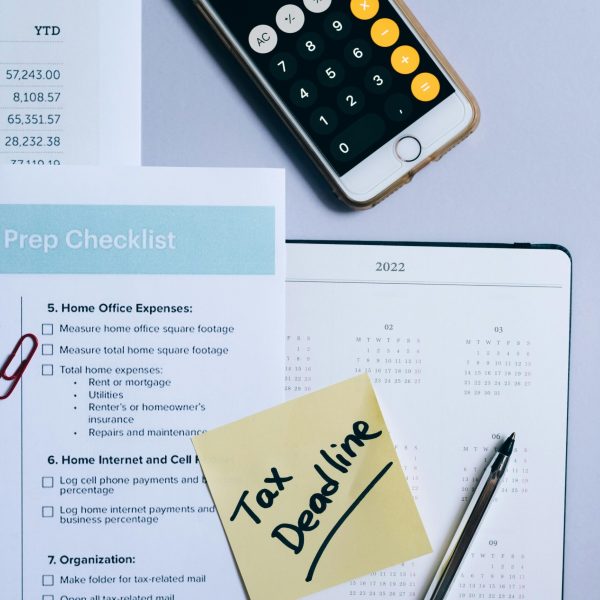

Navigating taxes can be overwhelming, but staying informed can save you time, stress, and money. Whether you’re an individual taxpayer or a business owner, staying updated on tax laws and preparing early can make a big difference. This year, there are several updates to keep in mind. The IRS has raised the standard deduction, so it’s important to check the new rates to determine whether itemizing is still beneficial for you. Adjustments to the Child Tax Credit and changes to tax brackets may also affect your filing, so understanding these updates is crucial. For remote workers, new deductions for home offices might apply, so review the eligibility criteria carefully.
Preparation is key when it comes to taxes. Start by gathering all your financial documents, including W-2s or 1099 forms, receipts for deductible expenses, investment income statements, and records of charitable donations. Having everything organized ensures a smooth filing process and reduces the chances of errors.
To maximize your deductions, look into common options such as health expenses, education credits, and retirement contributions. Out-of-pocket medical costs may be deductible, and if you or a dependent is in school, credits like the Lifetime Learning Credit could apply. Contributions to IRAs or 401(k)s can also lower your taxable income.
If you’re self-employed or have significant non-wage income, planning for estimated taxes is essential. Paying quarterly taxes using Form 1040-ES helps avoid penalties and keeps you on track. At the same time, staying vigilant against tax scams is critical. Be cautious of phishing scams and fraudulent tax preparers, and always verify communication claiming to be from the IRS. Remember, the IRS will never demand immediate payment via phone or email.
Using tax software or hiring a professional can make the filing process easier. Tools like TurboTax or H&R Block simplify the process and help reduce errors. For more complex financial situations, hiring a CPA or tax advisor can be a wise investment. Filing early is always a good idea, as it not only reduces stress but also helps you avoid last-minute errors. Plus, if you’re expecting a refund, filing early means you’ll receive it sooner.
State tax laws vary widely, so it’s important to understand the rules in your state, especially if you’ve recently moved. Staying compliant with local requirements can save you from unexpected issues. By staying informed about updates, organizing your documents, and taking advantage of available deductions, you can confidently tackle tax season and ensure you’re maximizing your savings.